
Storm-Damaged Shingles
What Strong Winds Do to Roofs in Longview
Living in Longview means dealing with sudden storms that can roll in fast and leave just as quickly—but your roof doesn’t forget. High winds are one of the biggest culprits behind shingle damage, and the frustrating part is that the issues aren’t always obvious from the ground.
After a storm passes, everything might look fine at first glance. But up close, shingles may be loosened, creased, or completely missing, leaving your roof vulnerable to leaks the next time rain hits.
The Types of Shingle Damage We See Most
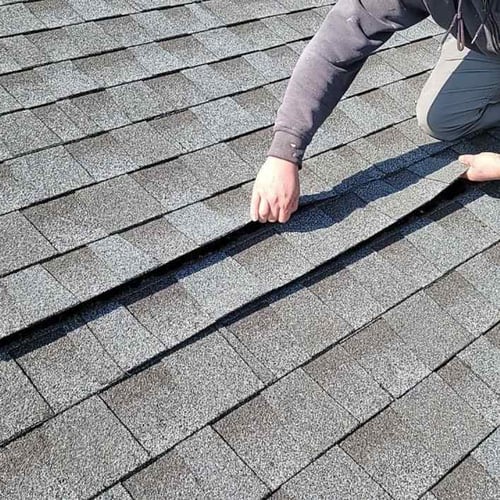

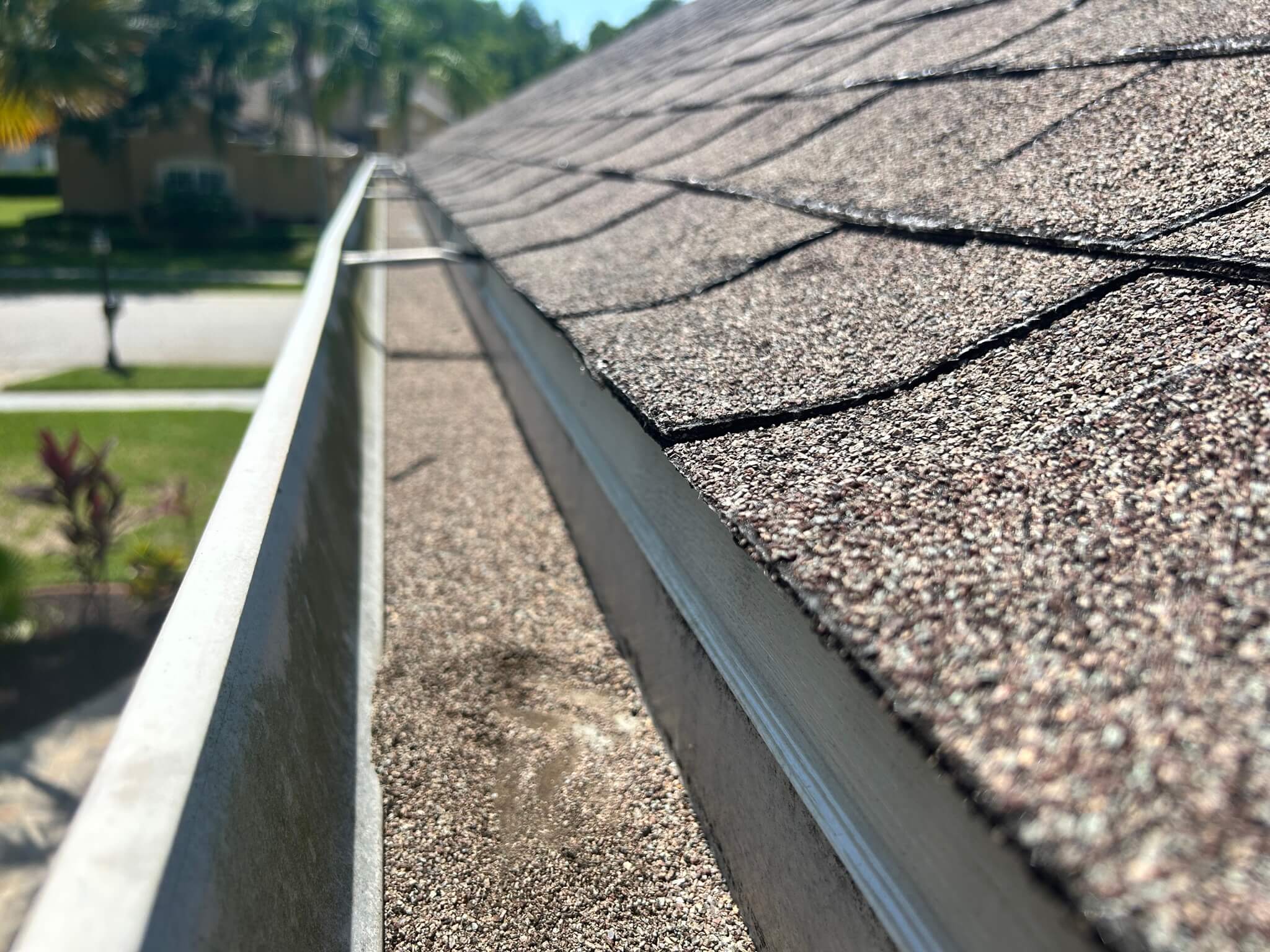
Wind damage doesn’t always mean shingles are blown off entirely. In fact, some of the most serious issues are harder to spot unless you know what to look for.
Lifted shingles are a big one. When wind gets underneath, it can break the adhesive seal that keeps shingles in place. Once that seal is gone, the shingle may settle back down, but it’s no longer protecting your roof the way it should.
Creased shingles are another red flag. This happens when shingles bend under pressure and crack internally. Even if they don’t fall off right away, they’re compromised and will likely fail sooner than expected.
Granule loss is more subtle but just as important. If you’re noticing excessive granules in your gutters or downspouts, it could be a sign your shingles took a beating during a storm.
Why Delaying Repairs Can Cost You
It’s easy to put off roof repairs, especially if there’s no immediate leak. But small issues tend to snowball, especially in East Texas weather.
A single compromised shingle can allow water to seep underneath, leading to:
- Roof deck deterioration
- Mold or mildew in the attic
- Interior water damage
- Higher energy bills due to poor insulation
What starts as a minor repair can turn into a much larger project if it’s ignored too long.
When to Call a Professional
After Any Major Storm
Even if your roof looks okay, a professional inspection can catch hidden damage. We often find issues homeowners didn’t even realize were there.
If You Notice Debris or Shingles in the Yard
That’s a pretty clear sign your roof took a hit. Even one missing shingle can expose your home to moisture.
When Your Roof Is Older
Older roofs are more susceptible to wind damage. If your roof is approaching the end of its lifespan, storms can accelerate wear in a big way.
Repair or Full Replacement?
Not every storm means you need a new roof. In many cases, targeted repairs can restore your roof’s integrity and extend its life.
However, if damage is widespread or your shingles are already aging, a replacement might actually be the more cost-effective option long term. It really comes down to the condition of the overall system—not just a few visible spots.
Keeping Your Longview Roof Ready
Regular inspections and quick action after storms are the best ways to protect your home. Staying proactive helps you avoid bigger repairs and gives you confidence every time the weather turns rough.
If you think your roof may have taken storm damage, or you just want a second opinion, reach out to Advantage Roofing Company at 903-939-3168. We’ll give you a straightforward assessment and help you decide the best next step for your home.